


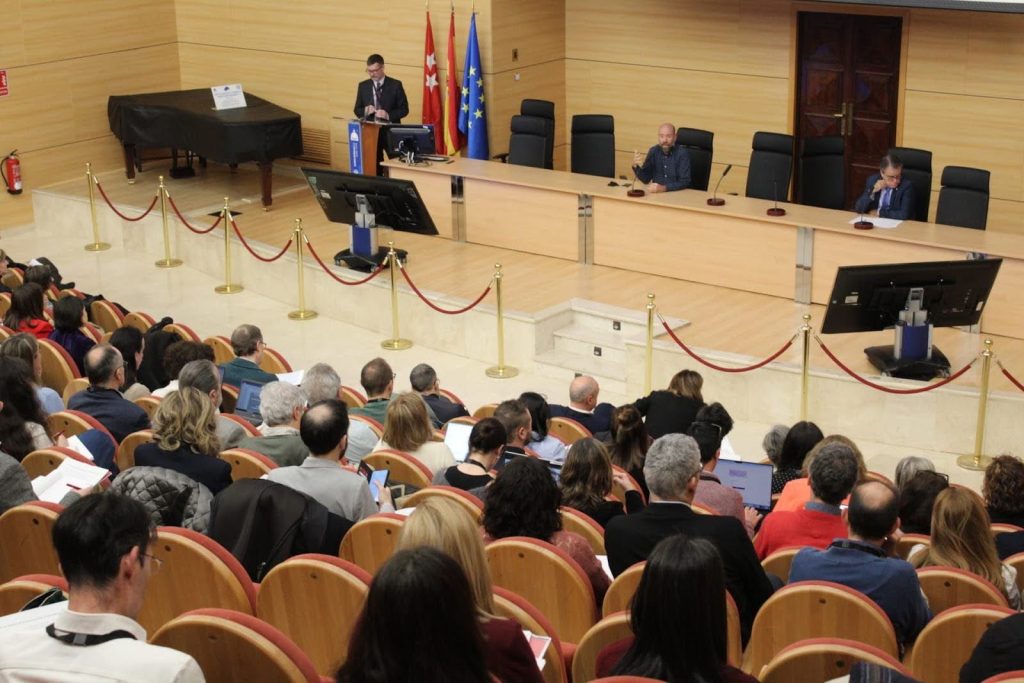
On 25 February, AVAP and the rest of Spain’s university quality assurance agencies took part in a dissemination day on good practices in teaching quality evaluation, held at the Universidad Politécnica de Madrid (UPM) and live-streamed as well.
The session brought together universities and stakeholders from Spain’s university system with a clear purpose: to share well-established experiences and present the latest updates to the DOCENTIA programme, following the model review carried out in February 2025.
A day to share what works
The day was conceived as a practical, hands-on space for exchange. It enabled participants to share already-implemented experiences across different universities, with positive results and transferable learning, and also to present the updates to the DOCENTIA programme, explaining the rationale behind the changes introduced within the quality assurance framework.
In this context, concrete examples of good practices implemented at Spanish universities were shared, including the Universitat Jaume I, focusing on how teaching activity evaluation is structured, how processes are embedded in an institutional quality culture, and which elements help ensure the model is genuinely useful for improvement.
DOCENTIA: a common framework to evaluate and enhance teaching
The DOCENTIA programme, promoted by ANECA at national level, was created with the aim of offering universities a set of guidelines and orientations to design and consolidate their own model for evaluating the quality of university teaching.
Since its launch in 2007, DOCENTIA has become a reference tool to:
- Ensure the teaching capability and competence of university academic staff.
- Evaluate teaching activity using clear criteria and defined procedures.
- Support the recognition of teaching and professional development.
- Drive continuous improvement, based on evidence and results.
Over the years, its implementation has steadily expanded and consolidated across the Spanish university system, reflecting sustained work between universities and quality assurance agencies.
Programme update and model developments
One of the central themes of the day was the presentation of the DOCENTIA programme updates, reviewed in February 2025 after a participatory process involving universities, academic staff and students.
This type of event helps institutions better understand the scope of the changes, share common questions and align criteria around implementation, so that the model remains useful, comparable and focused on real improvements in teaching.
 Coordination between agencies and universities
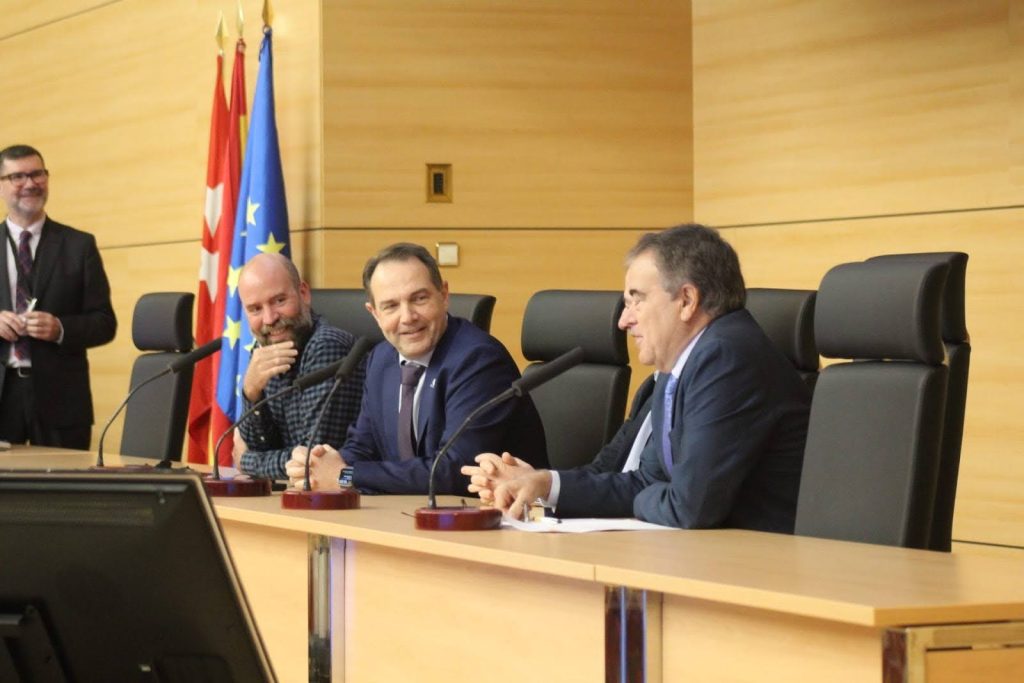
The growth and progressive implementation of DOCENTIA have been possible thanks to coordinated work between ANECA, regional agencies and universities. From the outset, the programme has been developed as a collaborative initiative that has made it possible to consolidate a common framework while also respecting the diversity of institutional contexts.
In practice, DOCENTIA adapts to the needs of each university and each autonomous community: universities develop a manual or document that sets out the programme and apply it in their evaluations; and, in turn, ANECA helps ensure consistency in how the model is implemented.
AVAP’s role in the Valencian Community
In the Valencian Community, AVAP coordinates the participation of Valencian universities in the DOCENTIA programme, contributing to technical support, coordination with institutions and alignment with the national framework.
Participation in this day strengthened exchange with other agencies and universities and helped to continue advancing a shared approach to teaching quality evaluation based on evidence and continuous improvement.
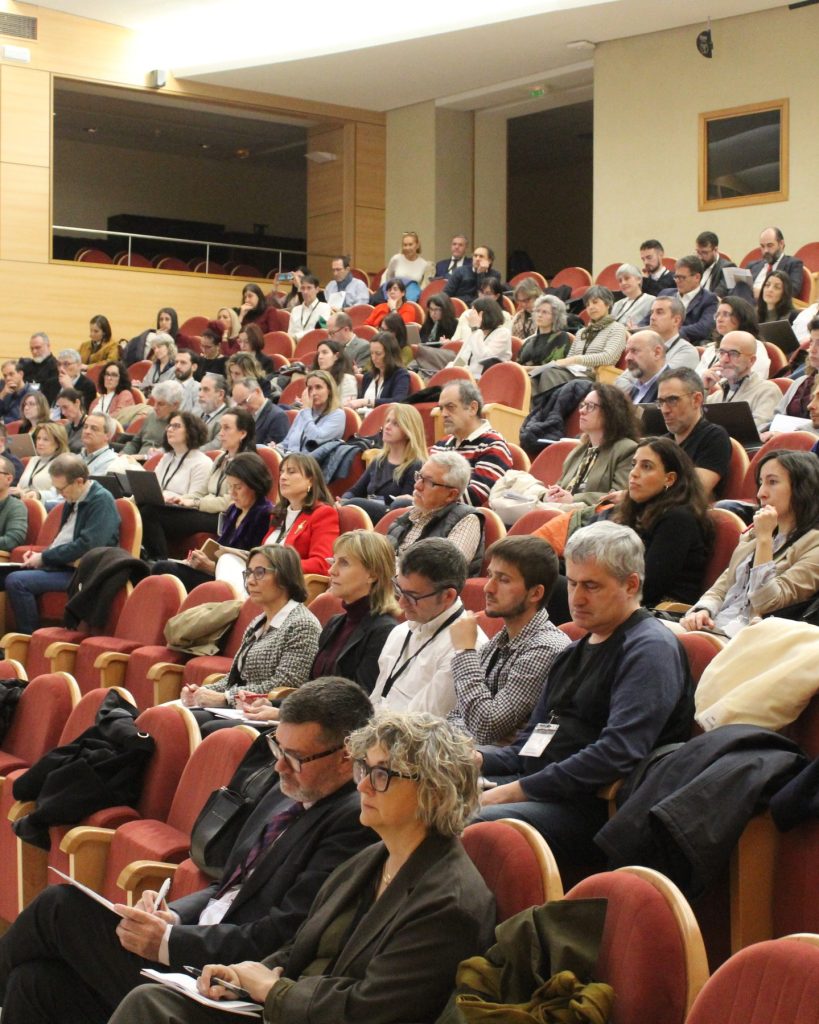
Photo credits: ANECA.

