Teaching innovation and the evolution of university degree programmes were the central themes of the two events in which AVAP took part on 15 and 17 July. Held in Valencia, both meetings provided an opportunity to examine the quality of engineering education from two complementary perspectives: the introduction of new learning models and the adaptation of degree programmes to emerging academic and professional needs.
Dual Education: learning through the professional environment
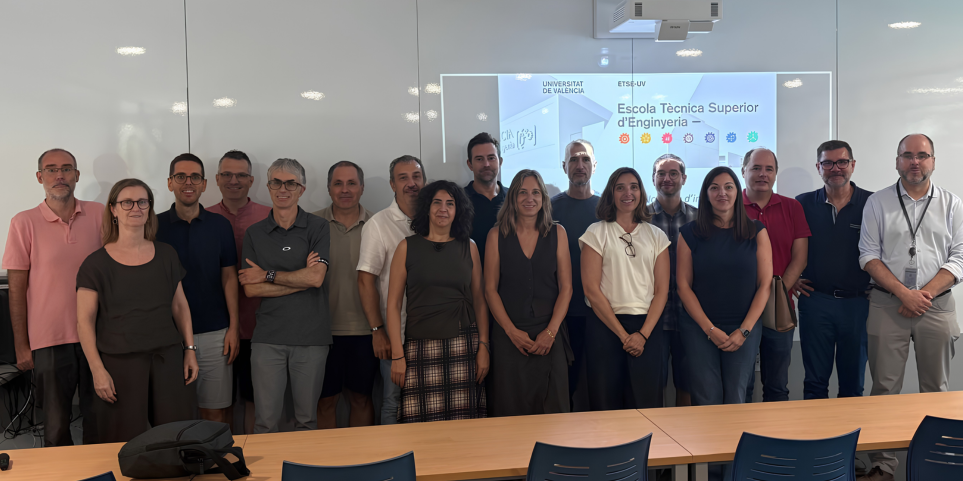
Wednesday, July 15, Javier Oliver Villarroya, Director General of AVAP, took part in the 17th Conference for the Exchange of Teaching Innovation Experiences, organised by the School of Engineering at the University of Valencia (ETSE-UV).
During his presentation on Dual Education, he explored the potential of a model that combines university-based learning with practical training carried out in companies, institutions and other partner organisations.
Dual Education goes beyond conventional work placements. It requires shared planning, effective coordination between the university and the partner organisation, and a clear definition of the competences and learning outcomes that students are expected to achieve.
This model brings university studies closer to professional practice, introduces new learning environments and strengthens the relationship between universities and their wider surroundings. Its implementation also presents challenges related to student monitoring, the assessment of learning undertaken outside the classroom and ensuring that all activities are fully integrated into the degree programme.
The conference brought together teaching staff from ETSE-UV to share experiences, methodologies and proposals applied to engineering education. It also highlighted the importance of bringing teaching innovation into everyday classroom practice and assessing its results.
Looking ahead to the future of Chemical Engineering degree programmes
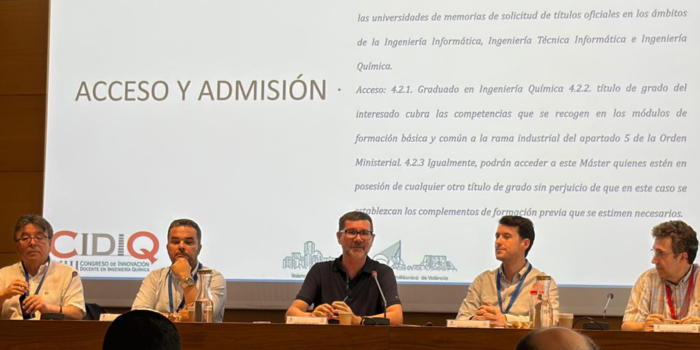
Two days later, Friday 17 July, AVAP’s Director General took part in the 8th Conference on Teaching Innovation in Chemical Engineering (CIDIQ 2026), held at the School of Industrial Engineering of the Universitat Politècnica de València, on the Vera Campus.
Javier Oliver participated in the round-table discussion “Management of Chemical Engineering Degree Programmes: Future Perspectives”, which addressed matters including access and admission criteria, students’ prior competences, additional training requirements and the evolution of these qualifications in response to new academic and professional challenges.
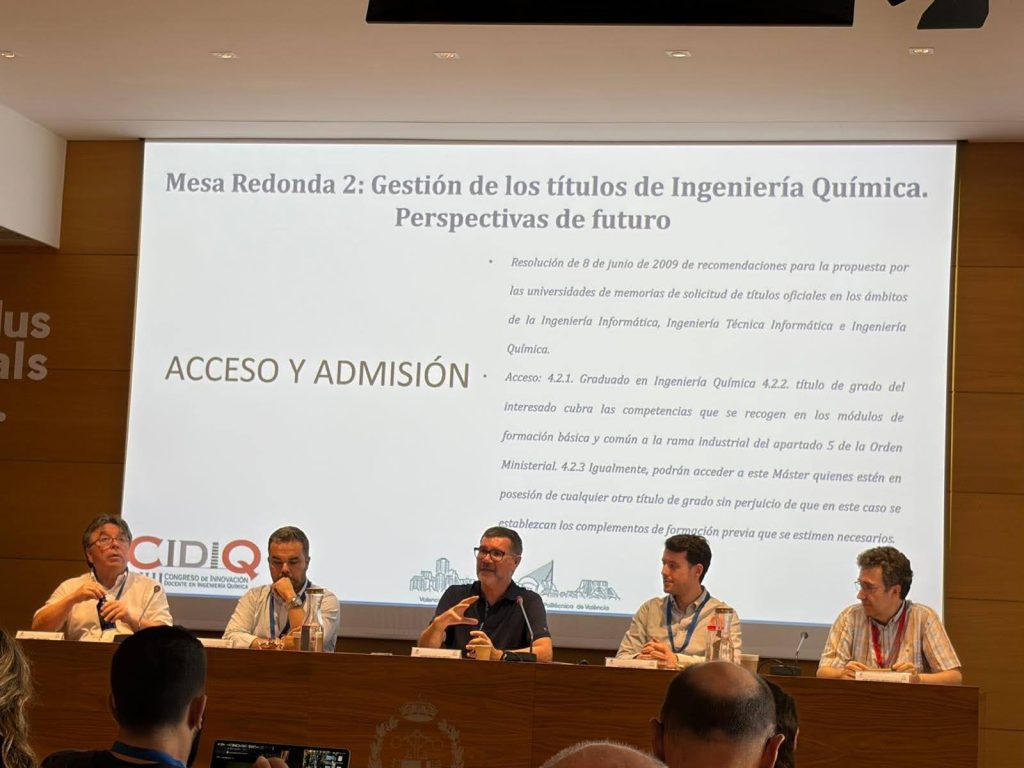
CIDIQ is a biennial event dedicated to the exchange of teaching experiences in the field of Chemical Engineering. Its eighth edition, held from 15 to 17 July, brought together academic and research staff, as well as undergraduate, master’s and postgraduate students, to share methodologies, reflect on the teaching of the discipline and contribute to the education of future professionals.
Across the three-day programme, the conference combined oral communications, presentations and discussion sessions on educational innovation, teaching methodologies and the improvement of university education in Chemical Engineering.
Innovating in teaching and reviewing how degree programmes evolve
The two events approached the same issue from different perspectives. The first focused on how to improve the way students learn through models such as Dual Education and methodologies linked to professional practice. The second examined how degree programmes should be managed and developed to preserve their academic coherence, respond to changes within the sector and guarantee high-quality education.
Teaching innovation and degree programme design are closely connected. Introducing new methodologies requires well-structured curricula, appropriate monitoring and assessment mechanisms, and a precise definition of the competences students are expected to acquire.
Through its participation in both events, AVAP contributed to the exchange of knowledge between universities, teaching staff and academic leaders on some of the main challenges facing engineering education: connecting universities with the professional environment, updating teaching provision and placing quality at the heart of its development.